You have an idea and need a working prototype
You want to show the product to investors, customers or your board. We build a version that can be tested with real users — without spending the budget on features that can wait.
Example:AgroSwarmTechnology partner for companies and startups
We take the project from idea to working product — where software, AI and devices have to work together. Diagnosis in 1–2 weeks, a prototype ready for user testing in 6–12 weeks. One person is accountable for all of it, from the first conversation to deployment.
Why clients come to us
Most projects start from one of these four situations.
You want to show the product to investors, customers or your board. We build a version that can be tested with real users — without spending the budget on features that can wait.
Example:AgroSwarmYou have funding and a schedule, and you need a team to turn the assumptions in the proposal into a working prototype. We understand how R&D projects and their milestones work.
Example:EcoCPRSensors, cameras, drones, lidars, edge AI. We select the components, connect hardware with software and take responsibility for the whole thing working in the field, not just on a desk.
Example:Sensor and compute stack for an autonomous robotic platformAssistants for teams, document and data analysis, automation of repetitive work. We start from the process and a measurable outcome, and only then choose the model.
Example:AI assistant for recruitersProjects
Selected products we built from the concept up — in agriculture, medicine and aviation.
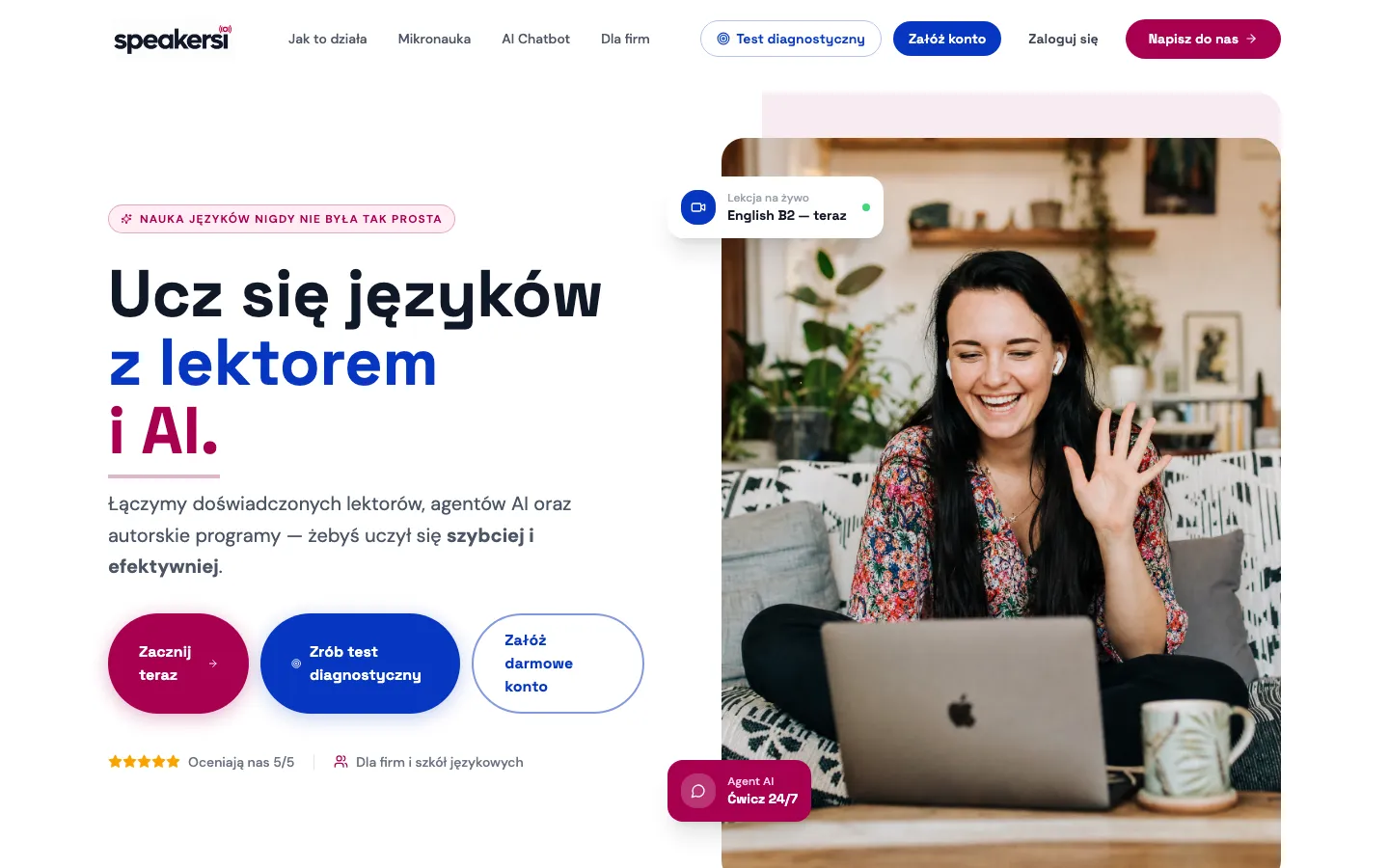
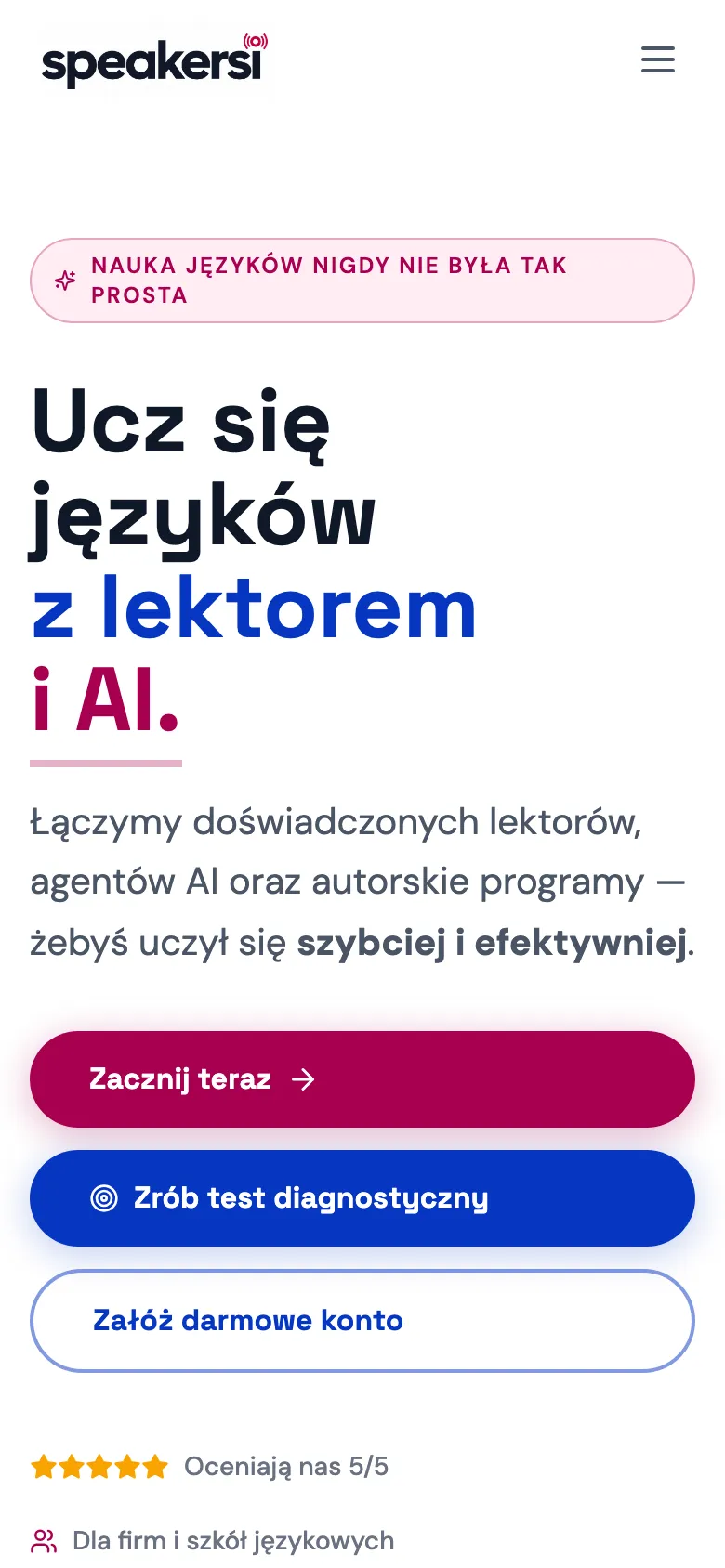
Video-lesson booking, tutor payroll, AI agents and an exercise library in one system
13 modules in one system — from CRM and scheduling to tutor payroll and reporting
Employees rehearse difficult conversations with a voice bot; managers get a scored report instead of a quiz
Each conversation scored against 5 rules on a 0–20 scale with written justification, computed once at the end
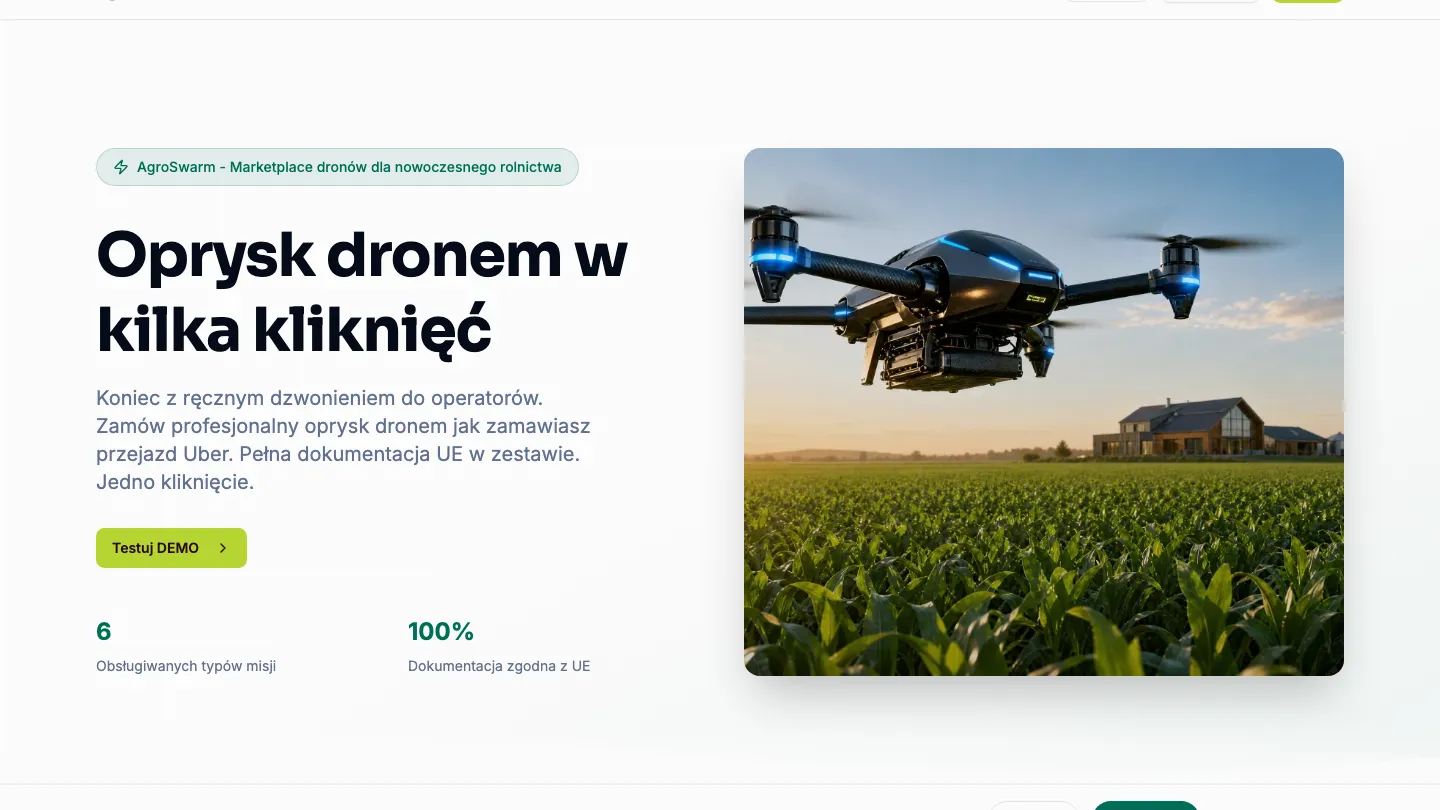
A drone-spraying marketplace — farmers book a treatment the way they book a ride
7 roles in one system — farmer, worker, operator, pilot, agronomist, advisor, administrator
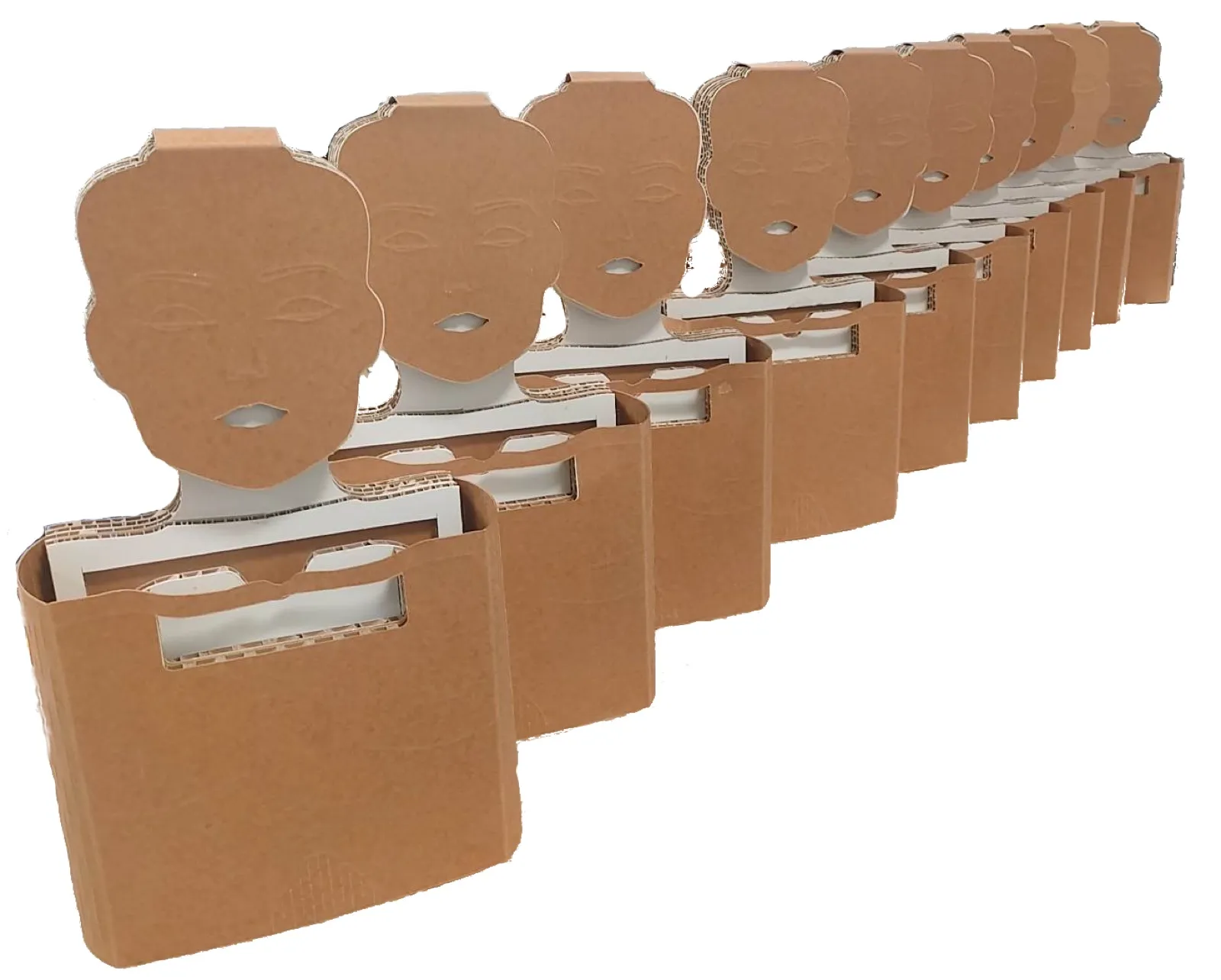
An eco-friendly CPR training manikin with an app that measures compression quality
The manikin withstood over 31,000 compressions by 400 people; mechanical tests point to over 100,000
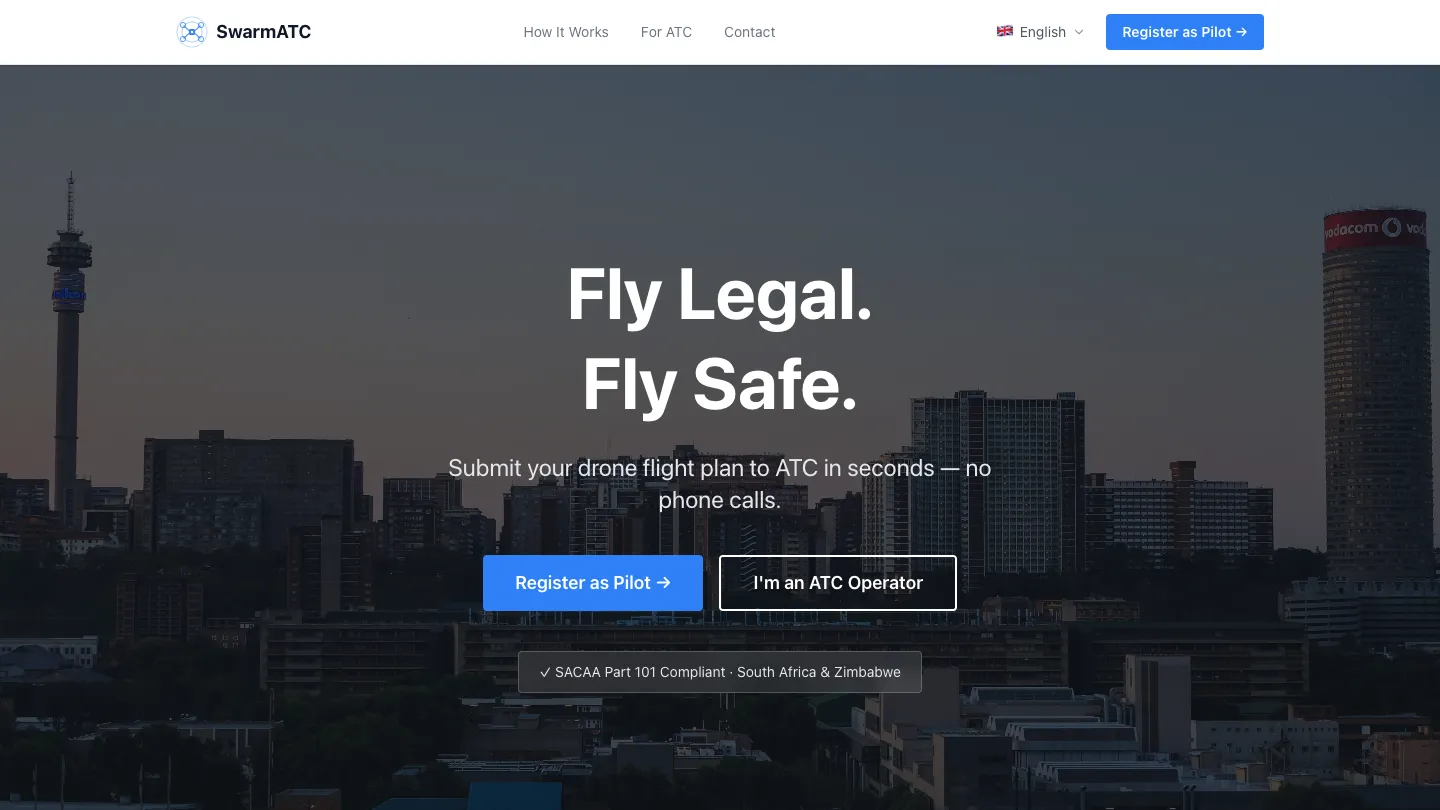
A drone flight-notification system connecting pilots with air traffic control towers
Rollout planned in South Africa, Zimbabwe and neighbouring countries
3D lidars, imaging radar, GMSL2 cameras, GNSS RTK and edge AI — a complete perception and navigation stack for an autonomous vehicle
Multimodal perception — 3D lidars, 4D imaging radar and GMSL2 cameras feeding sensor fusion
How we work
Every stage ends with a concrete result, so after each one you can decide whether to continue.
Conversations with you and future users, a workshop, a review of solutions and technical risks. We agree on what really has to work at launch.
Result
A document with architecture, scope, schedule and cost estimate
We build in short iterations and regularly show a working version. Changes of direction surface early, while they are still cheap.
Result
A working prototype ready for user testing, with technical documentation
Production launch, monitoring, fixes and new versions — or a clean hand-over to your team.
Result
A product in users’ hands and a plan for its further development
The first call is free. The diagnosis is paid — but its cost is credited against the build if we do it together. You pay once, not twice for the same work.
No budget? Let’s talk about working for a share of the profits — we take part of the risk and scope the product so it starts earning. We do this selectively, for projects where we can see the market.
How we build
AI lets a small team work like a large one. The risk is that unreviewed code appears just as fast — so here, verification is part of the work, not a stage at the end.
Research, code, tests and documentation happen at the same time instead of one after another. That is why a working prototype takes weeks, without a department-sized team.
A green build and a 200 response are not proof. After every release we compare what is actually on the server with what we built, and run tests in a real browser.
Decisions, procedures and known pitfalls are written down next to the code. The project can be taken over without us — that is your safeguard, not our secret.
What you get
We do not sell developer hours. We take responsibility for building the thing, making it work for your users and keeping it maintainable.
We start with a diagnosis: what is feasible, where the real technical risk sits and what to build first. You leave with a defined scope, a schedule and a list of things not worth doing.
You get a version you can show to investors, customers and your board — and test with real users. First market feedback in weeks, not quarters.
AI, computer vision, sensors and lidars, embedded systems, cloud. One team instead of four hires and three subcontractors blaming each other.
We know how applications, milestones and settlements work — from both sides of the table, because we also review projects. Your grant schedule is our deadline.
Why Inn4U
These products, prototypes and patents were built earlier, in other projects. What you buy is the shortcut: proven patterns, partners already in place and decisions taken once — before they become your cost.
Who does the work
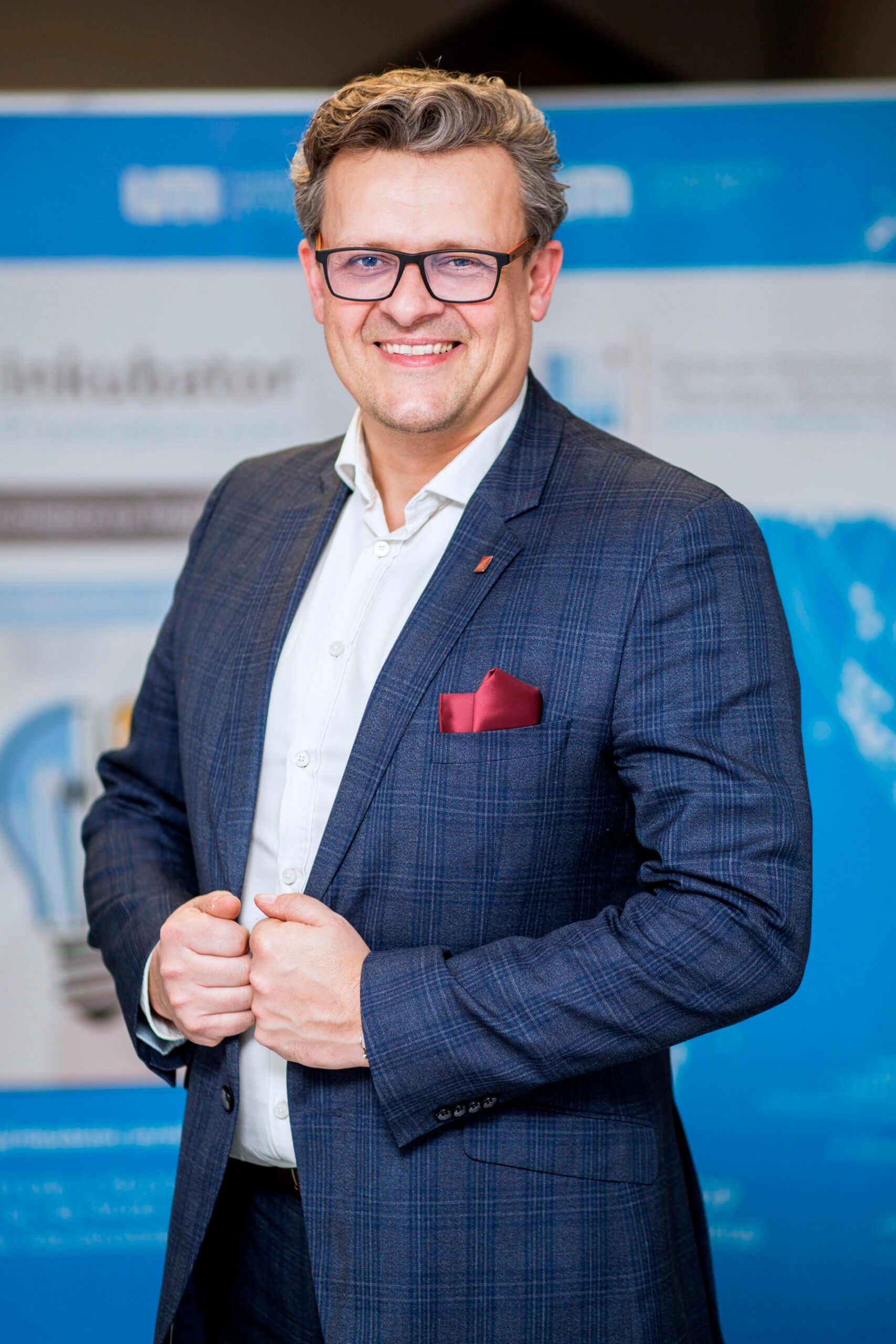
You talk and work with the same person from the first conversation to deployment. Day to day, projects are run by a permanent three-person team. Partner companies join for larger builds, specialists I have worked with before take specific roles, and when a topic needs domain knowledge I draw on a network built over many years.
Top 500 Innovators
An association of scientists and innovation managers — experts across many fields of science and industry
EIT Health
Mentoring medical startups in the InnoStars and Starship programmes
NCBR · Innovation Coach
Experience as an expert and coach in programmes supporting R&D projects
Lodz University of Technology
Collaboration with the university, its specialists and student research clubs
Graduates in industry
Around 300 engineers I supervised during their studies now work at technology companies in Poland and abroad — that is where project teams and domain advice come from
Additional services
Workshops and courses on the practical use of AI — for teams, senior management and universities.
Assessment of architecture, solution quality and technical risks of an existing system or a planned project.
Assessing an idea and its potential, choosing the technology, planning a research and development project.
The first conversation
We don’t start with a quote — we start by understanding the problem. After the conversation you usually know more than before, even if we don’t end up working together.
The call is free — 30 minutes online, no preparation and no sales deck. Afterwards you get a written summary, and the decision to work together is not part of the call. If you prefer, we sign an NDA before we talk.
We ask about users, constraints and what has to work from day one. The idea takes a concrete shape.
A well-framed problem is often simpler and cheaper than the original concept. We say plainly what can be postponed or dropped from the scope — before costly decisions are made.
We point to possible technologies, risks and funding sources — and, when the topic needs domain knowledge, to experts from our network.
Tell us what you want to build. After the conversation you will understand the problem, the possible solutions and the next steps better.